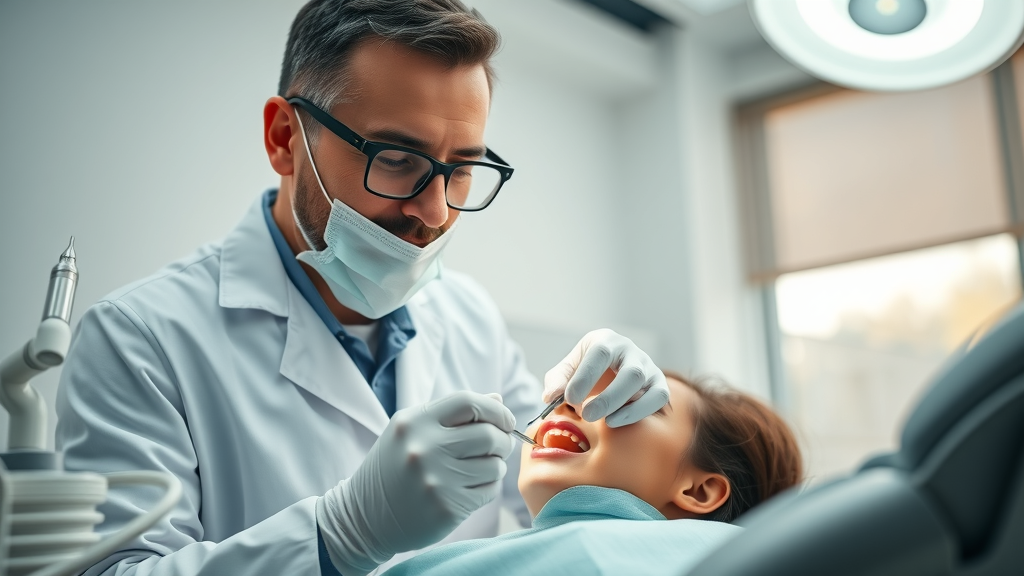
Have you ever wondered how your dental and oral health influences your overall well-being? Dive into this comprehensive guide that uncovers best practices in maintaining your dental health while emphasizing the connection between oral hygiene and your general health.
Understanding the Importance of Dental & Oral Health
Proper dental and oral health is not just about having a bright smile; it’s an essential component of overall wellness. The health of your mouth can impact your body in numerous ways. **From preventing systemic diseases to enhancing your daily confidence**, dental health plays a crucial role. This section explores the various benefits of prioritizing dental hygiene through practical examples.
What You’ll Learn in This Guide
- The relationship between oral hygiene and overall health
- Key preventive care practices for dental health
- How to address common dental issues
- The latest advancements in dental care technology
- Practical tips for maintaining oral hygiene
The Relationship Between Oral Hygiene and Overall Health
The mouth is the gateway to the body, playing a pivotal role in our holistic health. Oral hygiene helps prevent the onset of major health issues, contributing to a better quality of life.
Dental Health’s Impact on General Well-being
Proper oral hygiene helps ward off systemic ailments. Effective oral care is crucial for preventing diseases such as diabetes, heart conditions, and more. Maintaining strong dental health can significantly enhance your body’s defense mechanisms.

Link Between Oral Hygiene and Cardiovascular Health
The connection between oral hygiene and cardiovascular conditions is well-documented. Poor dental health increases the risk of heart disease, highlighting the necessity of maintaining proper oral care routines and regular dentist visits.
Understanding Dental and Oral Diseases
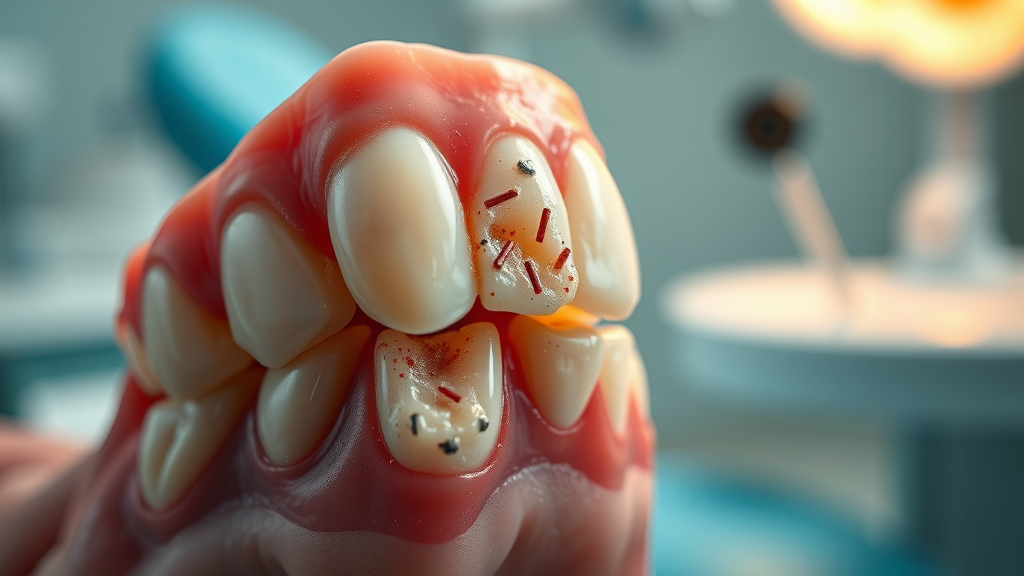
Oral diseases can manifest in various forms, from cavities to gum diseases. These conditions, if left untreated, can lead to serious health complications. **Understanding these issues is essential for effective prevention and management.**
Key Preventive Care Practices for Dental Health
Daily Oral Hygiene Routines
Developing a consistent oral hygiene routine is vital for maintaining dental health. This includes brushing twice a day, flossing daily, and using mouthwash to eliminate bacteria.

Regular Dental Check-ups: Why They Matter
Routine dental visits provide a proactive approach to dental care. Dentists can early detect potential issues, preventing them from escalating into major problems. These check-ups are crucial for sustaining both oral and general health.
Best Products for Maintaining Oral Hygiene
Choosing the right oral care products is essential for effective dental hygiene. From fluoride toothpaste to electric toothbrushes, these tools are indispensable in any oral care routine, ensuring comprehensive care of your teeth and gums.
Common Dental Issues and Solutions
Cavities: Prevention and Treatment
Cavities are among the most prevalent dental issues. Preventing them involves a combination of good diet, regular dental care, and the use of fluoride. Treatments generally involve fillings or, in severe cases, more advanced dental procedures.
Gum Disease: Signs, Symptoms, and Care Plans
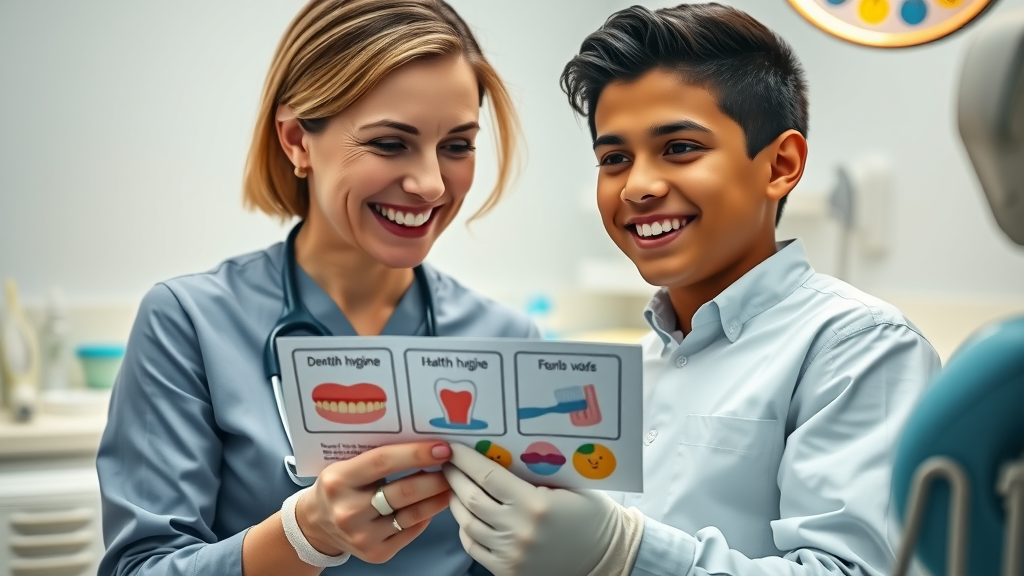
Detecting gum disease early is key to effective treatment. Be alert for signs like swelling, redness, or bleeding gums. Treatment plans often blend professional dental care with enhanced daily oral hygiene practices.
Addressing Sensitivity and Pain
Dental sensitivity affects many individuals, leading to discomfort and pain. Switching to desensitizing toothpaste and avoiding triggers like hot or cold foods can alleviate symptoms. Consulting a dentist ensures proper diagnosis and care plan development.
Advancements in Dental Care Technologies
Innovations in Orthodontic Treatments
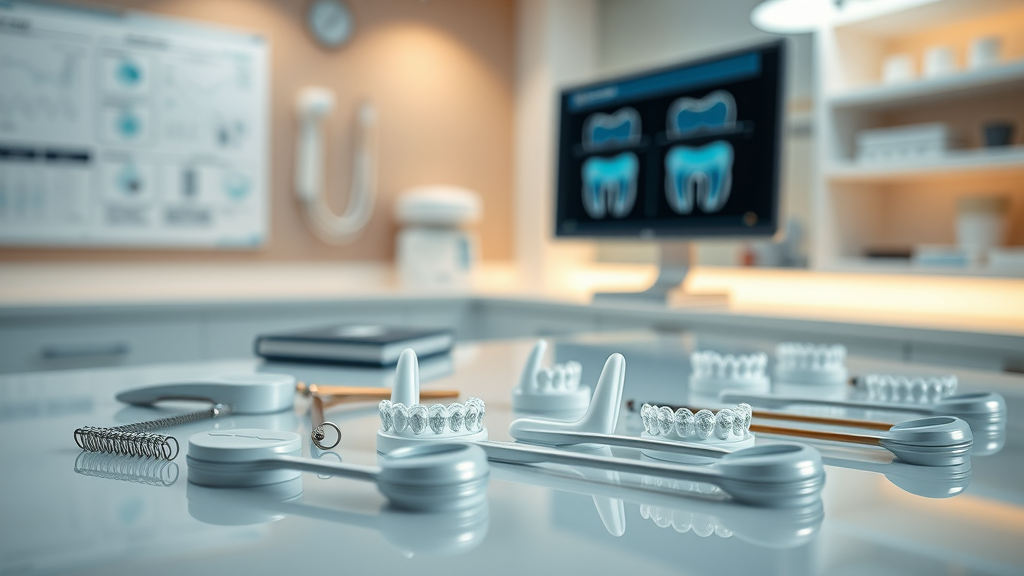
Modern orthodontics offer cutting-edge tools and technologies, simplifying and speeding up teeth alignment and correction processes. These innovations enhance treatment effectiveness and patient comfort.
Latest Tools in Dentistry for Enhanced Care
Dentistry continually evolves, with new tools and technologies emerging to improve care standards. Innovations such as laser dentistry and 3D imaging offer more precise, less invasive treatment options.
How Technology Improves Patient Experience
Technology plays a pivotal role in transforming the patient experience, offering conveniences like digital scheduling, virtual consultations, and even immersive experiences that make traditional dental fears a thing of the past.

Practical Tips for Maintaining Oral Hygiene at Home
Effective Techniques for Brushing and Flossing
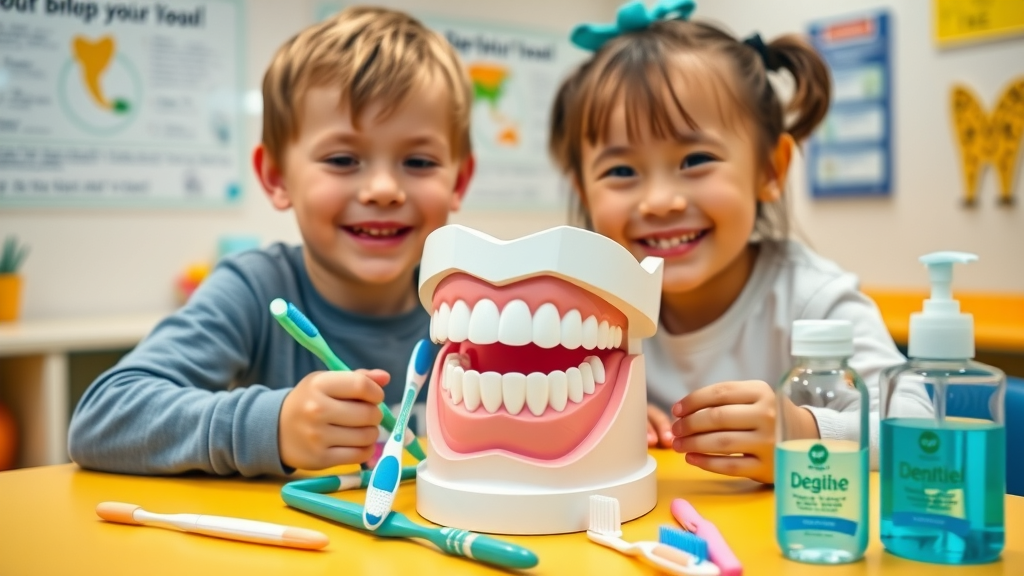
Use a soft-bristled toothbrush and fluoride toothpaste for optimal results; ensure thorough cleaning of all surfaces in your mouth. Complement brushing with effective flossing to reach areas between teeth and below the gumline.
Nutritional Foods That Support Dental Health
Good nutrition is integral to oral health; foods rich in vitamins, calcium, and fiber support strong teeth and gums. Standouts include leafy greens, dairy products, and apples, all of which contribute to neutralizing acids and strengthening tooth enamel.
DIY Remedies for Common Oral Issues
Simple at-home remedies, like saltwater rinses and baking soda pastes, can help manage minor dental issues. However, it’s important to complement these self-care efforts with regular dentist visits for professional evaluation and care.
Expert Opinions and Advice
“Regular oral care is essential to prevent systemic diseases,” – Dr. Carter
He emphasizes the importance of integrating good oral habits into daily routines to safeguard against broader health complications.
People Also Ask
What is the healthiest cat food for indoor senior cats?
What do vets recommend for senior cats?
What is the healthiest cat food for indoor cats?
Should senior cats eat dry or wet food?
FAQs About Dental & Oral Health
How does oral hygiene affect heart health?
Oral hygiene influences heart health by reducing bacteria in the blood, which can lead to heart disease if left unchecked through regular dental care.
What are the signs of a dental problem?
Common signs include pain, sensitivity, bleeding gums, and bad breath. It is important to consult a dentist whenever these symptoms occur.
How often should I see a dentist?
It is recommended to schedule a dental check-up twice a year, although frequency might vary depending on individual needs.
Key Takeaways
- Daily oral hygiene is crucial for preventing systemic diseases
- Regular dental visits can detect issues early
- Incorporate nutrition for better dental health
Conclusion and Final Thoughts
- Recap the importance of integrating good dental practices into daily routines
- Encourage commitment to oral hygiene habits
Call to Action
- Implement the outlined dental care practices and share your journey towards better oral health on social media. Subscribe for more insights into maintaining a healthy lifestyle.
Leave a Reply