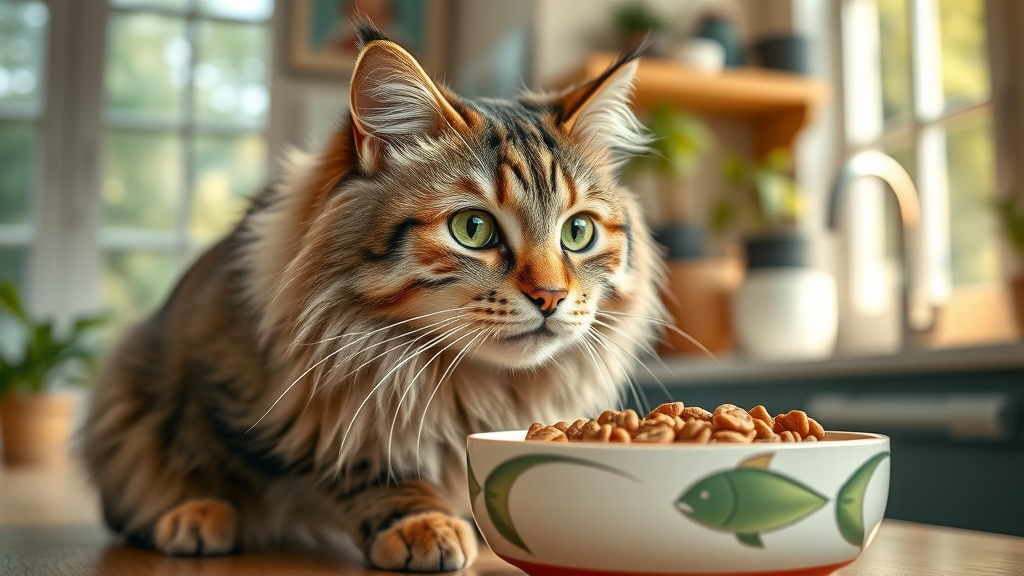
As our feline companions age, their dietary needs evolve. Discovering the best cat food for older indoor cats is crucial to ensure they remain healthy and active during their senior years. Many pet owners wonder which foods can best support their aging cats, considering factors like skin and coat health, kidney function, and digestive comfort. This guide provides insights into top cat food selections, expert tips, and nutritional needs for your senior indoor cat.
Discovering the Best Cat Food Options for Older Indoor Cats
Finding the best cat food for older indoor cats involves understanding their unique nutritional requirements. As cats age, they face increased risks of health issues, such as obesity, dental disease, and decreased kidney function. Ensuring they receive a balanced, nutrient-rich diet can mitigate these risks and prolong their quality of life.
This article covers top picks for high-quality senior cat foods and expert-recommended choices that focus on high protein, essential vitamins, and optimal fiber content.
What You’ll Learn in This Guide
- Overview of the top cat foods for senior indoor cats
- Expert tips on choosing food for aging cats
- Insight into wet vs. dry food debates
Why Choosing the Right Cat Food Matters
The Nutritional Needs of Older Indoor Cats
Senior indoor cats require diets higher in specific nutrients, such as protein and fiber, to maintain their health. High-quality proteins support muscular health, while fiber aids in digestion and can help prevent weight gain.
Common Health Issues in Senior Cats That Diet Can Impact
- Digestive problems and obesity
- Dental health and kidney issues
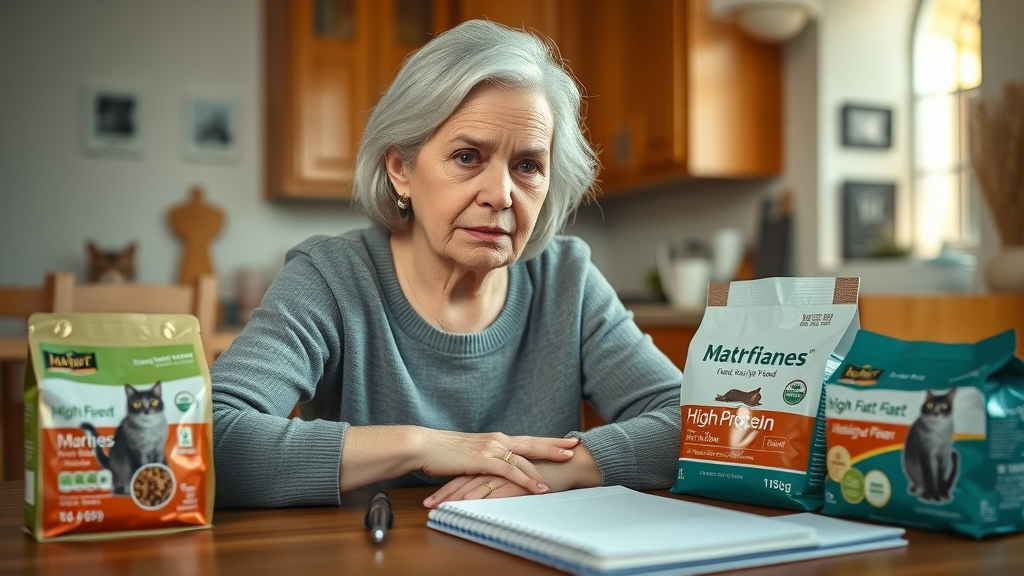
Top 10 High-Quality Cat Foods for Older Indoor Cats
1. Purina ONE High Protein, Natural Senior Dry Cat Food
Purina ONE is known for its commitment to high-quality ingredients. This dry food is perfect for senior cats as it contains high levels of animal protein and is specially formulated to support the health of older indoor kitties.
2. Royal Canin Feline Care Nutrition Digestive Care
Royal Canin offers a formula focused on digestive health, crucial for senior cats prone to stomach issues. This dry cat food provides a balanced mix of fiber and prebiotics.
3. Hill’s Science Diet Perfect Digestion, Senior Adult 7+
Hill’s Science Diet emphasizes personalized nutrition. Their senior adult formulas cater to cats aged 7 and above, ensuring digestive comfort and sustained energy levels.
4. Purina Fancy Feast Lickable Senior Cat Food Broth Topper
This product by Purina offers a delectable treat that encourages fluid intake while delivering essential nutrients. It’s perfect for mixing with dry kibble for added hydration.
5. Blue Buffalo Wilderness High-Protein Wet Food
Blue Buffalo’s selection uses real meat as the first ingredient, ensuring maximum protein content. Their wet foods are a great choice for moist diet needs.

6. Wellness Complete Health Natural Grain-Free
Wellness offers a holistic approach to feline nutrition. Their grain-free recipes use real meat, ensuring your senior cats get a diet free from unnecessary fillers.
7. INABA Churu for Senior Creamy Lickable Cat Treats
These lickable treats are designed to be delicious while providing vital nutrients for aging cats. They can be used as a flavorful topper or as a between-meal indulgence.
8. Purina Pro Plan Grain Free Senior Wet Cat Food
Purina Pro Plan’s wet food variety is packed with high-quality protein and free from grains, providing an easily digestible option for senior cats.
9. Hill’s Science Diet Indoor, Senior Adult 11+, Dry Cat Food
This formula supports lean muscle maintenance and is crafted specifically for indoor cats aged 11 and older, using high-quality ingredients tailored to their life stage.
10. Nutro Wholesome Essentials Senior Dry Cat Food
Nutro focuses on real chicken as the primary ingredient, enhanced with essential nutrients to support your cat’s health during their golden years.
Expert Tips for Choosing the Best Cat Food for Senior Cats
Consultation with a Veterinarian
Regular veterinary consultations can guide pet owners in selecting the best food options tailored to their cat’s individual health needs.
Reading Ingredient Labels
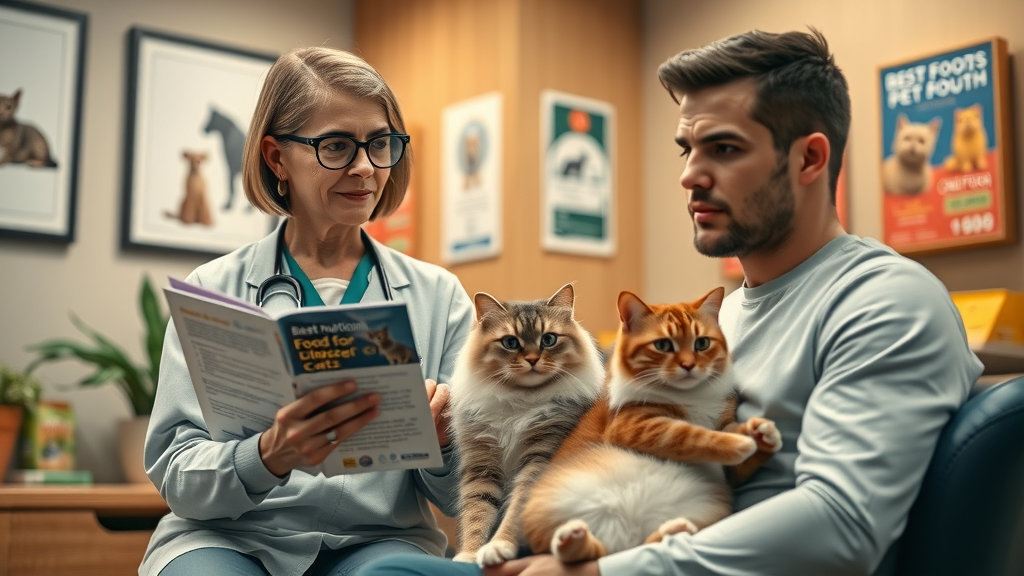
Understanding the labels on cat food packaging can help you identify high-quality ingredients and avoid artificial additives that might be harmful to your cat’s health.
Assessing Your Cat’s Specific Needs
Consider your cat’s health status—do they have kidney issues, require weight management, or favor wet over dry foods? Tailoring their diet accordingly can extend and improve their quality of life.
Wet Vs. Dry Food: Which is Better for Senior Cats?
Benefits of Wet Cat Food
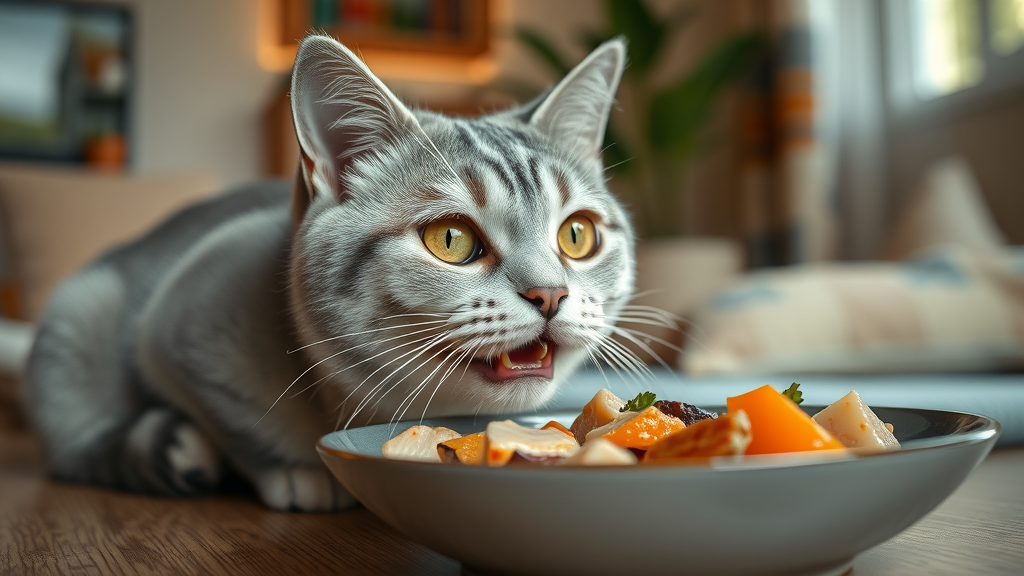
Wet foods typically contain higher moisture content, which is beneficial for hydration, especially in older cats who may not drink enough water.
Advantages of Dry Cat Food
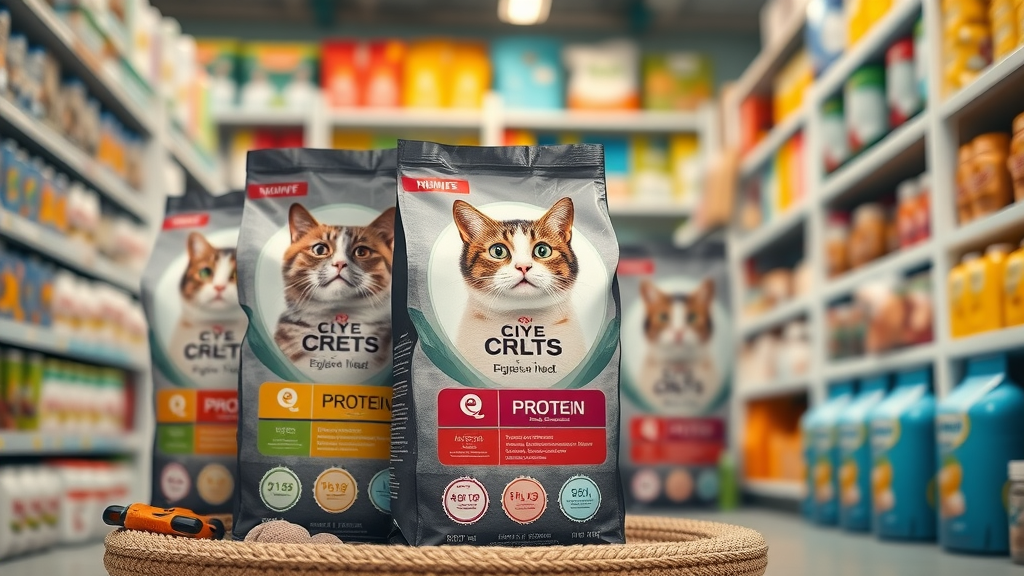
Dry foods often have crunchy textures that can help reduce plaque build-up on your cat’s teeth, supporting better dental health.
Finding the Right Balance
Pet nutritionist Dr. Smith: “Choosing the right diet for senior cats is crucial for their longevity.”
Combining both types, or integrating wet food toppers, might offer the best of both worlds, meeting nutritional needs while satisfying taste preferences.
People Also Ask
What is the healthiest cat food for indoor senior cats?
Several brands offer well-balanced diets specifically formulated for senior indoor cats. Brands like Hill’s Science Diet, Royal Canin, and Blue Buffalo are often recommended due to their established reputations and focus on high-quality ingredients.
What do vets recommend for senior cats?
Vets often recommend foods that provide balanced nutrition with added elements such as fish oil for joint health, reduced phosphorus for kidney support, and a good balance of fiber and protein to maintain a healthy weight.
What is the healthiest cat food for indoor cat?
Choosing a high-quality cat food that matches your pet’s life stage and specific health needs is advisable. Indoor cats often benefit from diets focusing on fewer calories and more fiber to support a healthy weight.
Should senior cats eat dry or wet food?
A mix of both can be beneficial. Wet foods provide necessary hydration and are often easier to digest, while dry foods support dental health and offer variety in texture.
FAQs
How can I adjust my senior cat’s diet for weight management?
Gradual changes to a diet lower in calories and higher in protein can prevent weight gain while maintaining muscle mass. Consult a vet for precise portion control tailored to your cat’s activity level.
Is there a special diet for cats with kidney disease?
Cats with kidney disease benefit from low-phosphorus diets and foods with reduced protein quality. Specialized veterinary diets are available and should be considered after consulting with your vet.
Can vegetarian diets be safe for older cats?
Cats are obligate carnivores, meaning their diet relies heavily on animal proteins. A vegetarian diet is generally not recommended for cats, as it may lack essential nutrients.
Key Takeaways
- Prioritize high-protein and fiber-rich foods
- Consult with vets regularly for diet adjustments
- Read ingredient labels carefully for quality assurance
Conclusion: Making Informed Choices for Your Senior Cat
- Emphasize the importance of adapting to changing dietary needs
- Encourage readers to continually explore nutritional options
- Invite feedback and questions from pet owners
Call to Action
- Encourage readers to share their experiences and stories about finding cat foods that worked best for their pets.
Leave a Reply